


Discover The Smiling Coast
of Africa





Choose The Right
Destination For Your Vacation
Real Experience
Been there recently?
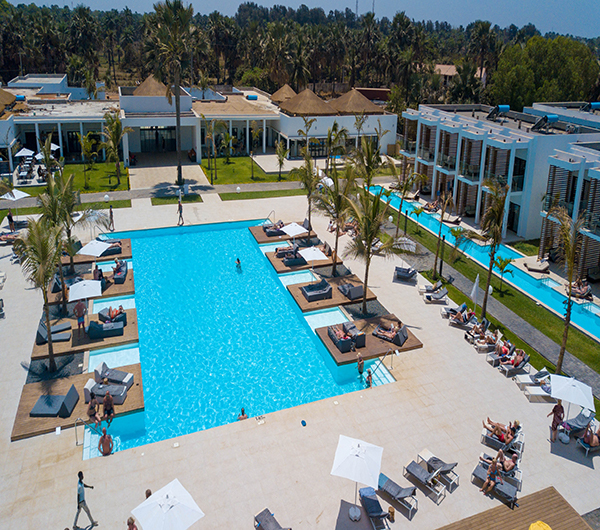
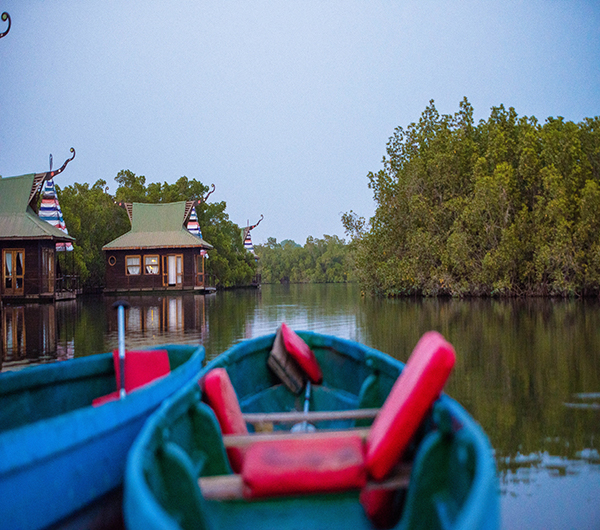
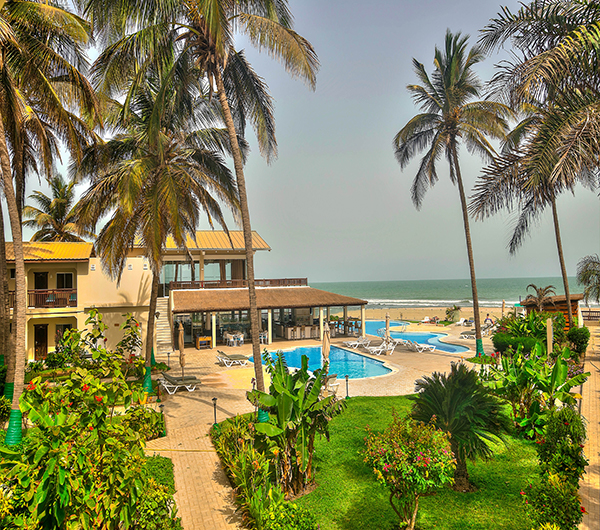
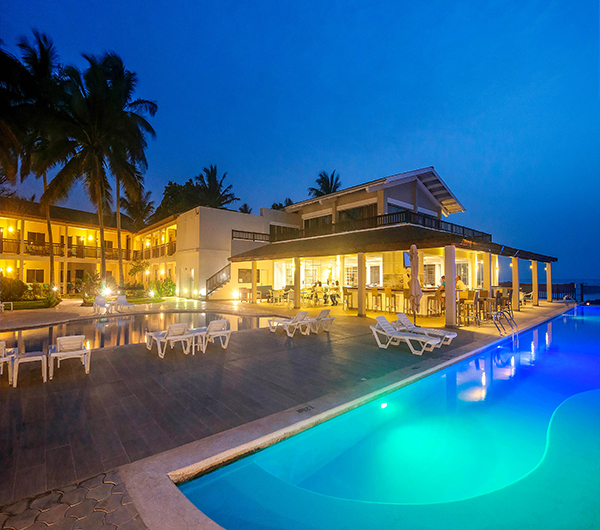
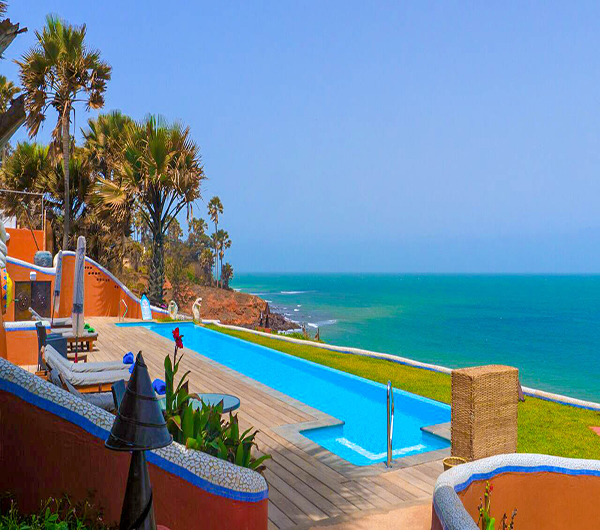
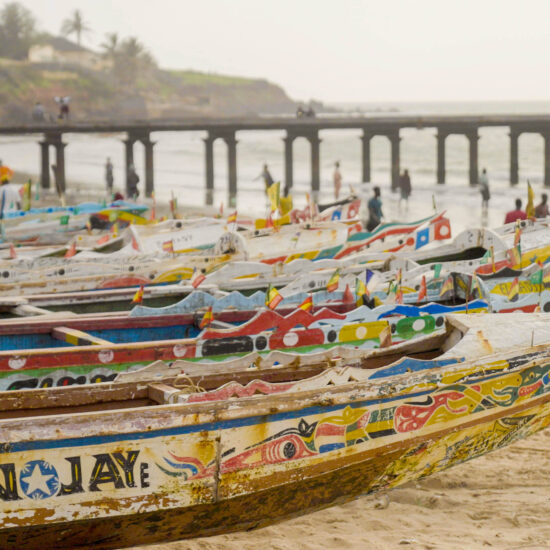
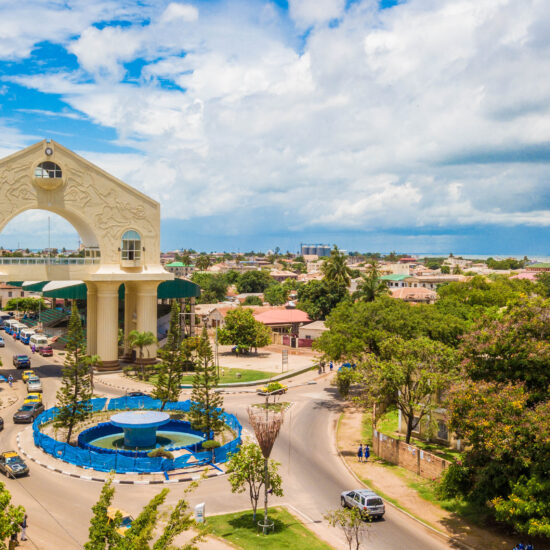
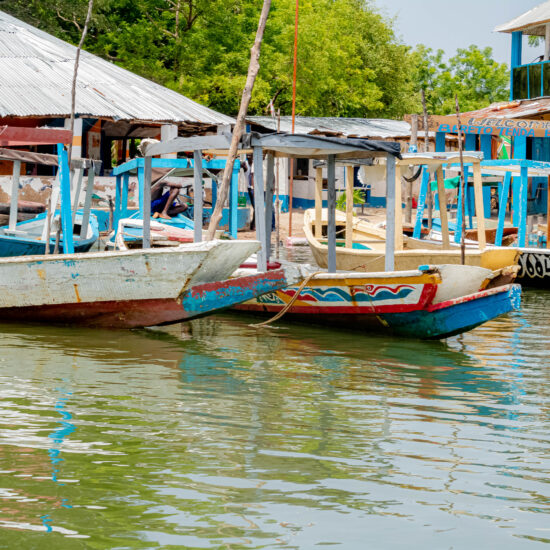
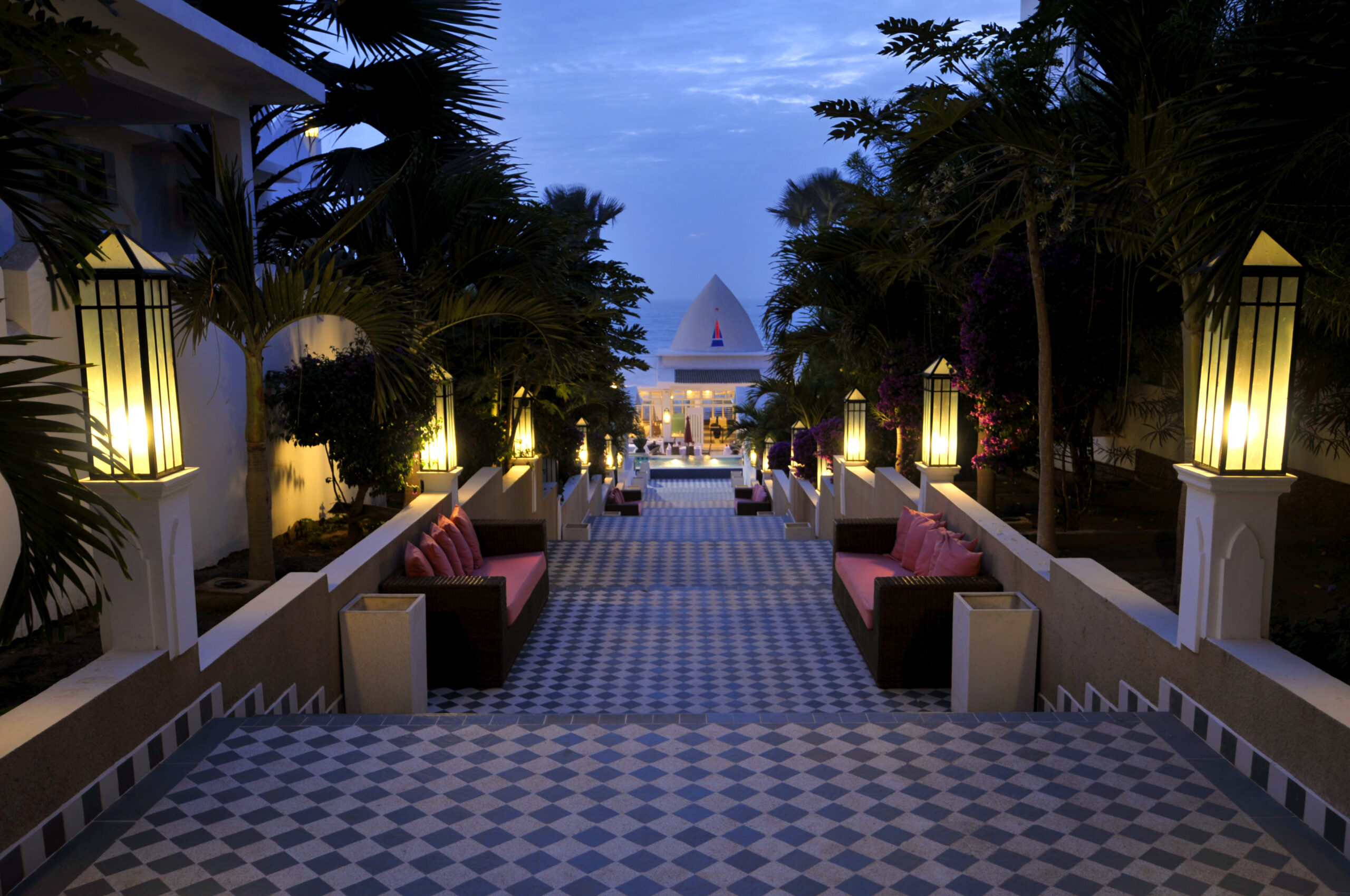
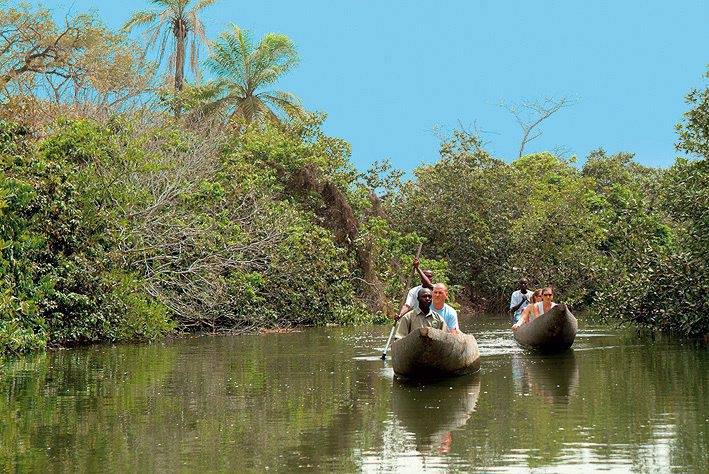
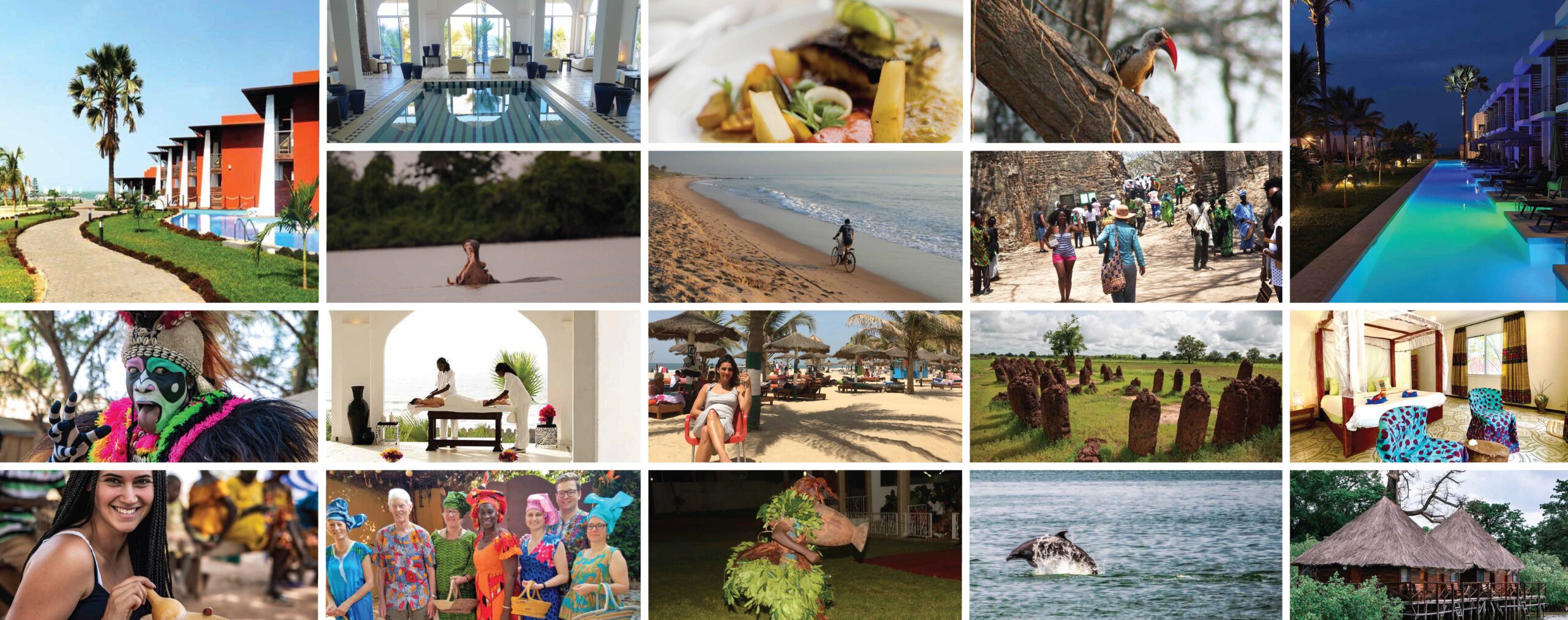
The Gambia is a popular and affordable all year round destination attracting tourists in search of sun, sand, sea, nature and varied cultural experience and of which this unique country has plenty.
New
Travel Experience
Been there recently?
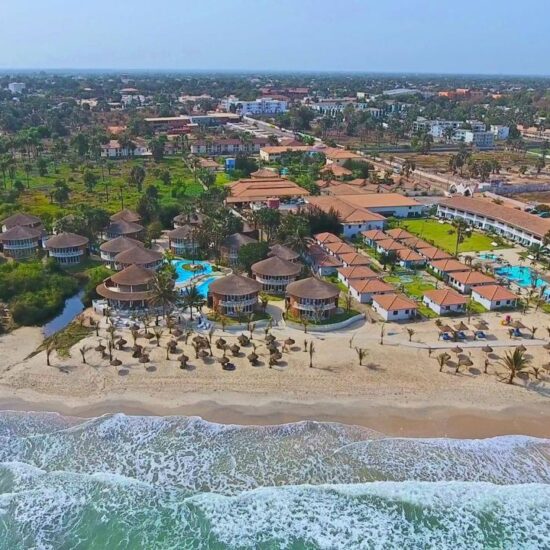
The Gambia has unique quality features over many other destinations. It is only six hours flight from major European destinations with no jet lag.
Conference Experience
Been there recently?
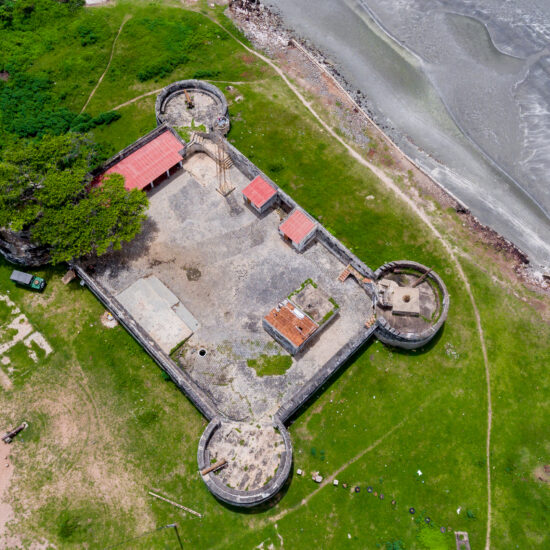
Every modern architectural building must have a distinctive character, and for the Sir Dawda J. International Conference Center, the inspiration comes from a mixture of unique local and transcontinental geographical and cultural features
New

Traveller Essentials

Travel Requirements

Getting to Gambia

Getting Around Gambia

About The Gambia
Subscribe To The Newsletter
Visit
Trending, Best Selling
Tours And Fun Destinations

Get The Latest News
On Gambia's Tourism



Head Office
Gambian Embassy UK
GTBoard Madrid, Spain Office
Brussels, Belgium